


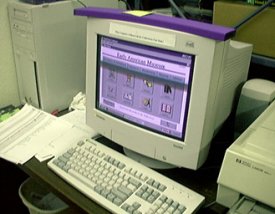

Collection Care offers individualized museum studies continuing education, certification, and training classes for museum professionals.
Keeping up with current information requires regular staff Training. NSCC offers online training classes at www.museumclasses.org.
Collection Care provides current information on general care strategies such as numbering collections, improving storage, and emergency preparedness. Collection Caretaker’s full text articles bring a library of preservation information to your terminal.
Treatments highlights a few of the pieces NSCC has worked on recently. Exceptional and ordinary projects are shown. This section changes to reflect our newest projects.
We are always on the look out for Tools and Supplies useful to collection caretakers. These include vacuum cleaners, emergency response supplies and artifact labeling kits. Use the shopping cart to purchase our current offerings.
Publications include archive issues of the Collections Caretaker. Other NSCC publications and a discussion forum will be posted here when they are completed.
Fundraising provides information on federal, state and private funding sources for collection care. Included is information for writing grant proposals.
www.museumclasses.org is 10 years old in 2014. This is amazing progress for an idea we weren’t sure would work. As most of you know, it works pretty well and continues to be a fun and easy way to reach out to colleagues around the globe. We have a reputation for top-quality courses that provide the latest information on each topic. This is due to the incredible expertise of our instructors.
In 2004 when we launched our web training service http://www.museumclasses.org we were looking for a way to connect people around the world without having to travel far from our families. Our first course, Storage for Infinity, was a test to see if we could successfully inspire students and impart knowledge through a computer. We were surprised to find it was fun, too. Since then, our growth has been rapid.
Our training works. Any museum person can attend professional continuing education in museum studies topics, without added travel costs to attend a workshop. The technology not only transmits information beautifully, but also creates new professional networks as museum staff from around the world instantaneously communicate with each other about topics of mutual concern. We have had many positive reviews for the technology and the information taught using the technology.